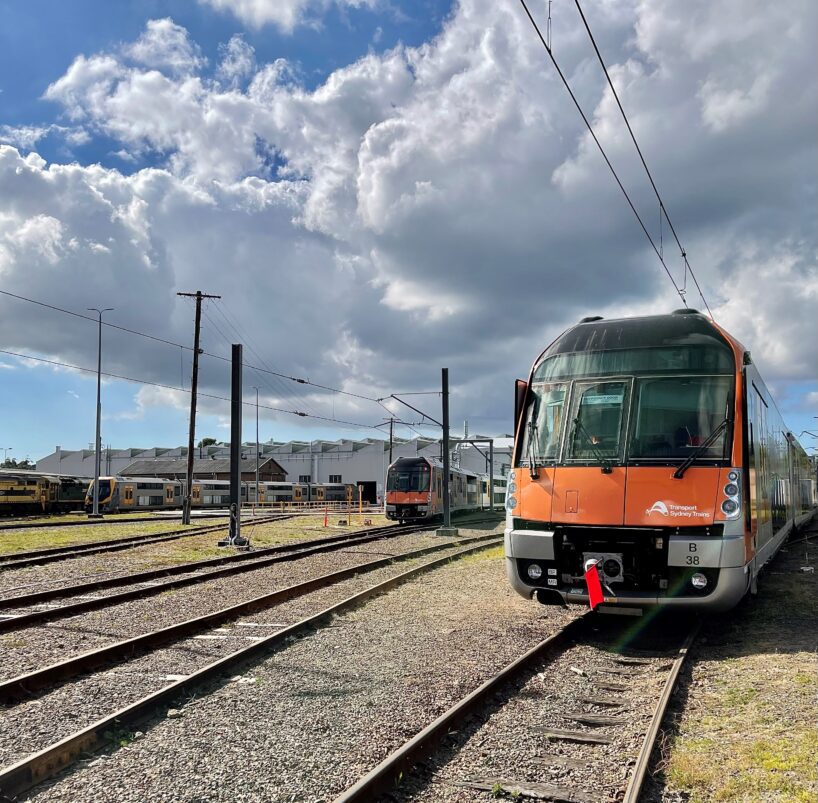
The NSW Government’s commitment to invest $12 billion in the next generation of trains is one of the most significant industrial announcements for the Hunter in decades. Expected to create around 780 construction jobs and 550 ongoing manufacturing and supply chain jobs, it has the potential to reshape advanced manufacturing in our region for generations.
The Hunter has secured the opportunity.
The next step is ensuring we maximise its long-term economic value.
Projects of this scale are about far more than constructing new facilities. They shape where industries grow, where businesses invest and where future generations choose to build their careers. The decisions made today will influence the Hunter’s manufacturing capability for decades.
Lake Macquarie has an opportunity to play a central role in that future.
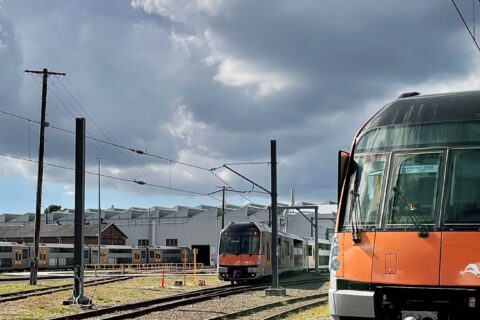
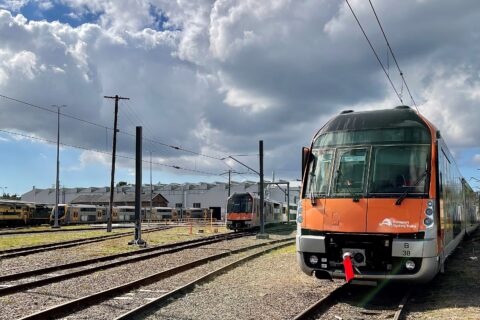
For nearly 100 hundred years, Cardiff has been one of Australia’s most important rail manufacturing and maintenance centres, building, maintaining and supporting trains that have served New South Wales. Along the way it has developed something far more valuable than the trains that have rolled off the assembly line: a highly skilled workforce, experienced engineers, specialist suppliers and industrial knowledge that has been built over generations.
That capability provides a strong foundation for the future.
The proposed Teralba site presents an opportunity to build on that foundation.
With the scale to accommodate a modern manufacturing facility, excellent access to the Main Northern Rail Line, the M1 Motorway, the Port of Newcastle and Newcastle Airport, Teralba offers the connectivity needed to support contemporary rail manufacturing and long-term industry growth.
Importantly, a new facility at Teralba would not stand alone. It would complement the existing capability that already exists across Lake Macquarie, particularly at Cardiff, where the Tangara Life Extension Program is continuing to strengthen specialist skills and manufacturing capability.
Together, these assets have the potential to create an integrated rail manufacturing ecosystem that few regions in Australia could match.
This is consistent with the NSW Government’s commitment to rebuilding domestic manufacturing capability and increasing local content. Utilising existing strengths reduces delivery risk, supports productivity and helps maximise the return on public investment.
The benefits would extend well beyond Lake Macquarie.
Engineering firms in Newcastle, manufacturers in Maitland, suppliers across the Upper Hunter, local universities, TAFE and hundreds of small businesses would all contribute to the supply chain. Major investments of this scale create confidence for businesses to invest, employ more people and develop new capability.
They also provide the future workforce with confidence that they can build rewarding careers in advanced manufacturing without leaving the Hunter.
As the region continues its transition from traditional mining and energy industries, advanced manufacturing represents one of our greatest opportunities to create secure, highly skilled employment for future generations. The Future Fleet program has the potential to become one of the defining industrial investments of that transition.
Governments rarely have the opportunity to create an entirely new industrial precinct while building on capability that already exists.
Lake Macquarie offers exactly that opportunity.
By combining the proven rail manufacturing capability of Cardiff with a purpose-built facility at Teralba, the NSW Government has the opportunity to create one of Australia’s leading rail manufacturing hubs.
The decisions made over the coming months will shape the Hunter’s industrial future for generations. Opportunities of this scale are rare. Ensuring the site selected maximises the investment outcomes will not only strengthen our economy today, but it will also help ensure the Hunter remains one of Australia’s leading manufacturing regions well into the future.
Tim Browne
CEO Dantia – Lake Macquarie’s Economic Development Company