Lake Macquarie and the Hunter sit at the heart of one of Australia’s most capable manufacturing regions. For decades we have built, assembled and maintained trains. The NSW Government’s Future Fleet train replacement program presents a significant opportunity for Lake Macquarie and the Hunter. This project will deliver industrial jobs that can build on existing sovereign capability; maintain and strengthen local manufacturing; and generate long-term economic benefits for Lake Macquarie, the Hunter and the State of New South Wales.
The timing of the future fleet program is critical as mining and energy generation, key pillars of regional employment, transition. The goal is replacing high skill, high value jobs. Advanced manufacturing, including rolling stock assembly and support, is well placed to achieve this goal.
The Future Fleet Program is a multi-decade opportunity. How the procurement of the Future Fleet Program is structured will determine where skills, investment and supply chains concentrate over time, and which regions capture the long-term benefits.
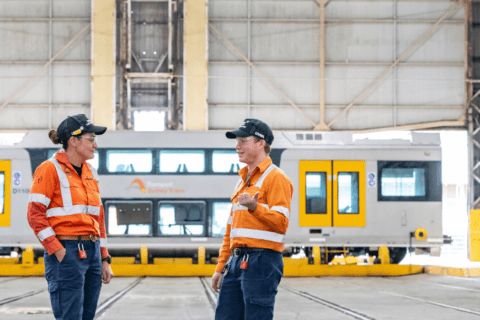
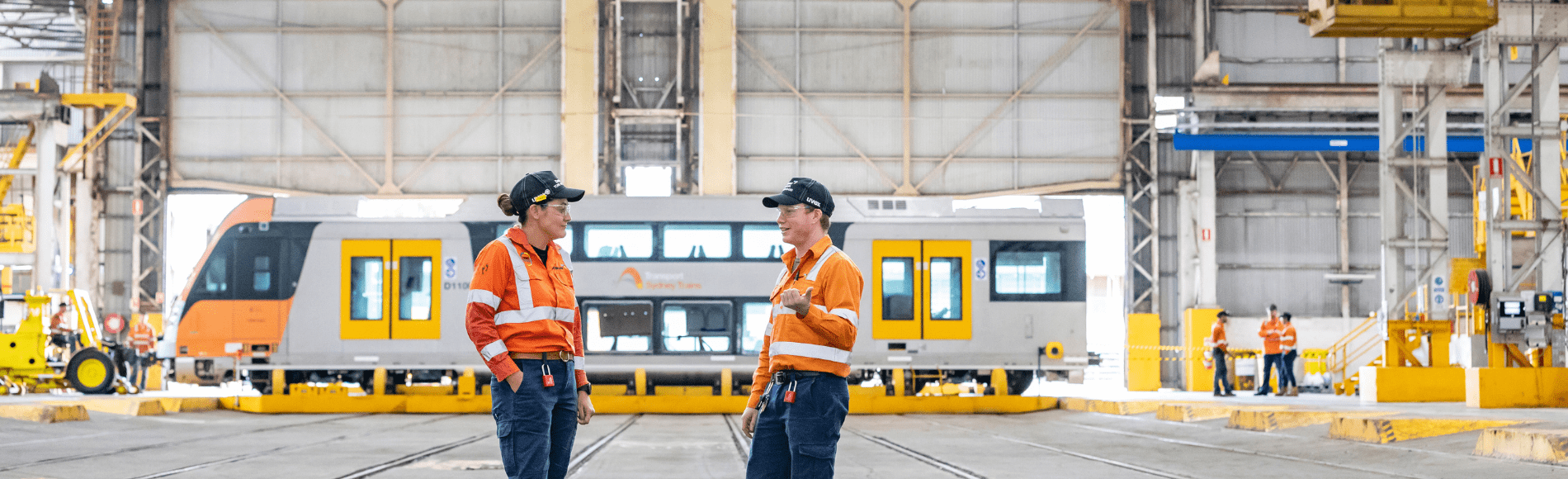
In Lake Macquarie, the Cardiff advanced industry precinct has been a centre of manufacturing for decades. Downer’s facility at Cardiff has played a central role in the assembly, commissioning and ongoing maintenance of Sydney’s suburban rail fleet and is also where they support the maintenance of the large fleet of passenger trains, the Waratah fleet, providing a significant number of local jobs. UGL’s Broadmeadow facility adds further depth to the Hunter’s rail manufacturing and maintenance capability and associated jobs, eliminating the need for new facilities which require significant upfront capital, extended lead times and additional delivery risk, before a single train is built.
The benefits for workers are striking. Delivering manufacturing and assembly in the city will result in secure, skilled employment across trades, engineering, project management and professional services, providing the high skill, high value jobs we require. It will strengthen apprenticeship pathways and create clear career options for people who want to build their future locally. It will also sustain small and medium‑sized businesses that form part of the rail supply chain, from component manufacturing to specialist services.
Modern train manufacturing is complex work, requiring the integration of mechanical, electrical and digital systems, supported by rigorous testing, safety assurance and long-term maintenance planning. These are precisely the capabilities that governments seek when delivery certainty matters.
Importantly, this capability already exists in Lake Macquarie. By building the Future Fleet where the infrastructure, workforce and systems are already proven, NSW can reduce risk while accelerating delivery and maximising value for taxpayers.
For generations, the local economy has been shaped by manufacturing, engineering, mining and energy production. This industrial heritage has created skilled jobs, strong supplier networks and a proven track record of success. These capabilities remain highly relevant as the region navigates economic transition and seeks new sources of long-term employment and economic growth.
The NSW Government has made clear its intent to ensure a 50% local content target for Future Fleet Program. Delivering on that intent requires procurement decisions that reinforce proven capability and support long-term workforce development. Locating the manufacturing and assembly of the Future Fleet in Lake Macquarie would do exactly that, while enabling the broader Hunter to contribute through supply chains, services and skills.
Done well, the Future Fleet Program can deliver reliable, high-quality trains for NSW while anchoring long-term industrial employment in Lake Macquarie and the Hunter. Building on proven capability, the program can strengthen regional supply chains, support workforce transition, and deliver enduring economic value for the State.
Tim Browne, CEO, Dantia